
SPLIT SYSTEMS FOR HOMES & BUSINESSES
Split air conditioners in Puerto Rico
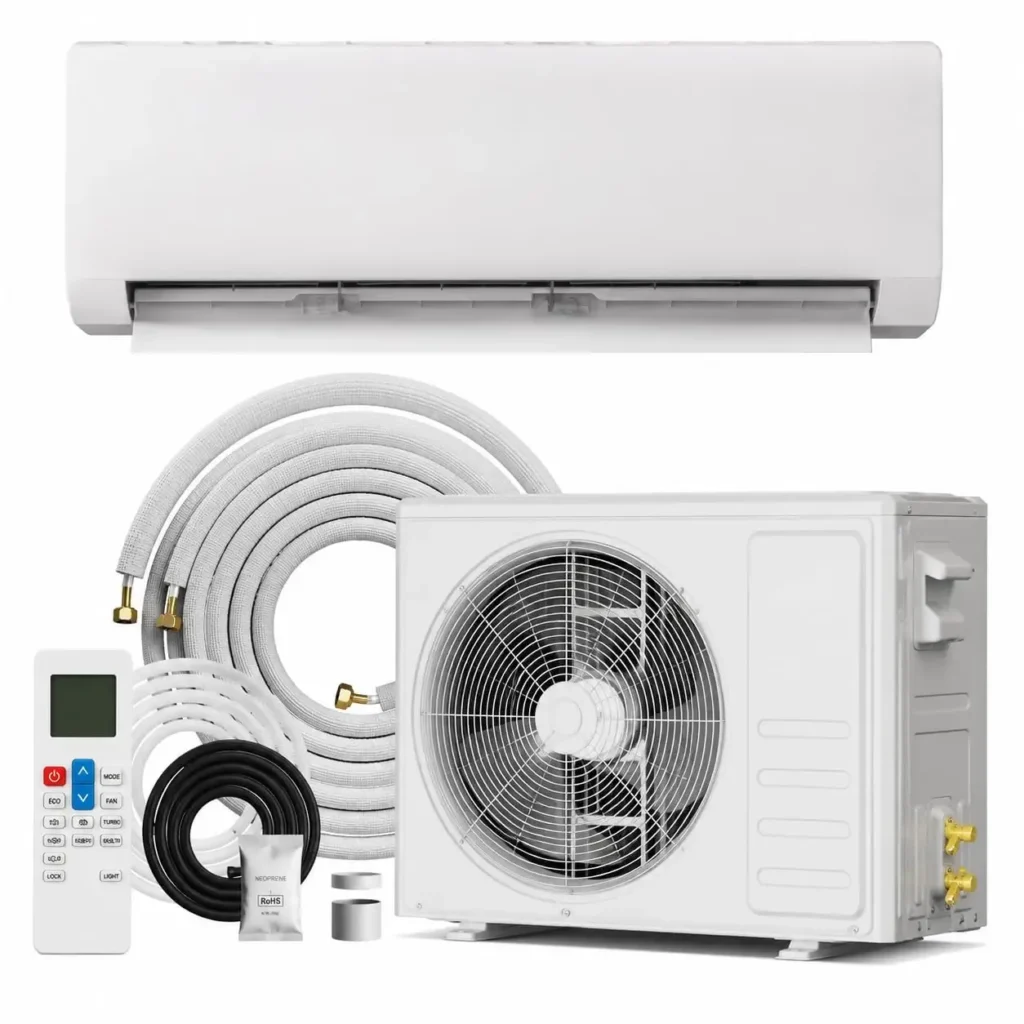
Split air conditioners use separate indoor and outdoor components to provide quiet, flexible cooling without a traditional air distribution duct system. Options include mini split, inverter, wall-mounted, single-zone, and multi-zone configurations.
JJ Gomez installs, diagnoses, repairs, and maintains split air conditioning systems throughout Puerto Rico, helping homes and businesses select an appropriate configuration for their space and cooling requirements.
20+ Years
of HVAC experience
Residential & Commercial
split A/C installation and service
Flexible Configurations
single-zone and multi-zone options
WHY CHOOSE A SPLIT SYSTEM
Benefits of split air conditioners
Split air conditioning systems combine an outdoor condenser with one or more indoor units, offering adaptable cooling for a wide range of residential and commercial applications.
01
Flexible system options
Split systems are available in single-zone and multi-zone configurations, with different indoor unit styles and capacities for specific applications.
02
Quiet indoor comfort
The compressor remains outside, while the indoor unit is designed to deliver cooling with minimal operating noise.
03
Zone-based comfort
Indoor units can serve defined areas, allowing temperature control to reflect the way each space is used.
04
No traditional ductwork
Ductless split systems are practical where installing or extending a conventional air distribution system is not desirable.
05
Flexible applications
They are suitable for bedrooms, living rooms, apartments, offices, shops, and other spaces. With compatible models, it is also possible to control the temperature and other functions remotely via mobile apps or a Wi-Fi connection.
06
Inverter technology available
Many modern split systems use inverter technology to adjust compressor output according to cooling demand.

TYPES & TECHNOLOGY
Understanding split, mini split, wall-mounted, and inverter
“Split” describes a system divided between indoor and outdoor components. Mini split commonly refers to a ductless split system for one or more defined zones, wall-mounted describes a common indoor unit format, and inverter refers to compressor-control technology available in many modern systems.
- Split system: separate indoor and outdoor components
- Mini split: a compact ductless split configuration
- Single-zone options for one defined room or area
- Multi-zone options for several selected spaces
- Wall-mounted units: a common indoor-unit format
- Inverter technology: variable compressor output based on demand
CHOOSING THE RIGHT SYSTEM
How we help plan your split A/C installation
1
Tell us about the space
Tell us which areas need cooling, how the space is used, and whether an existing system is being replaced.
2
We assess the requirements
We review the room size, layout, electrical requirements, placement options, and other relevant installation conditions.
3
We recommend the next step
We explain the suitable system and installation scope, then coordinate approved installation, start-up, and operating checks.
COMMON QUESTIONS
Frequently asked questions
What is a split air conditioner?
A split air conditioner has indoor and outdoor components connected by refrigerant lines and electrical wiring. In a ductless configuration, the indoor unit delivers conditioned air directly into a defined space.
What is the difference between a split and a mini split air conditioner?
Split is the broader system category. Mini split commonly describes a compact ductless split system used for one or more defined zones, while other split configurations and indoor-unit formats are also available.
Does every split air conditioner use inverter technology?
No. Inverter describes how the compressor adjusts its output and is available in many modern split systems, but it is not the definition of a split air conditioner.
Is a wall-mounted air conditioner a split system?
A wall-mounted indoor unit is one of the most common formats used in ductless split systems. Wall-mounted describes the indoor unit, while split describes the complete indoor-and-outdoor configuration.
Can a split system cool more than one room?
A single-zone system normally serves one defined area. A multi-zone split system can connect multiple compatible indoor units to serve several selected spaces, subject to proper design and equipment capacity.
How often should a split air conditioner be maintained?
Maintenance frequency depends on use, environmental conditions, and manufacturer guidance. Regular filter care and professional preventive maintenance help support airflow, drainage, and reliable operation.
SPLIT A/C COMFORT
Find the right split system for your space
Tell us which areas need cooling and whether you need a new installation, replacement, maintenance, diagnosis, or repair.